Blog · Pete Lynagh
Rebranding a Transport Company: When It Is Time and How to Roll It Out
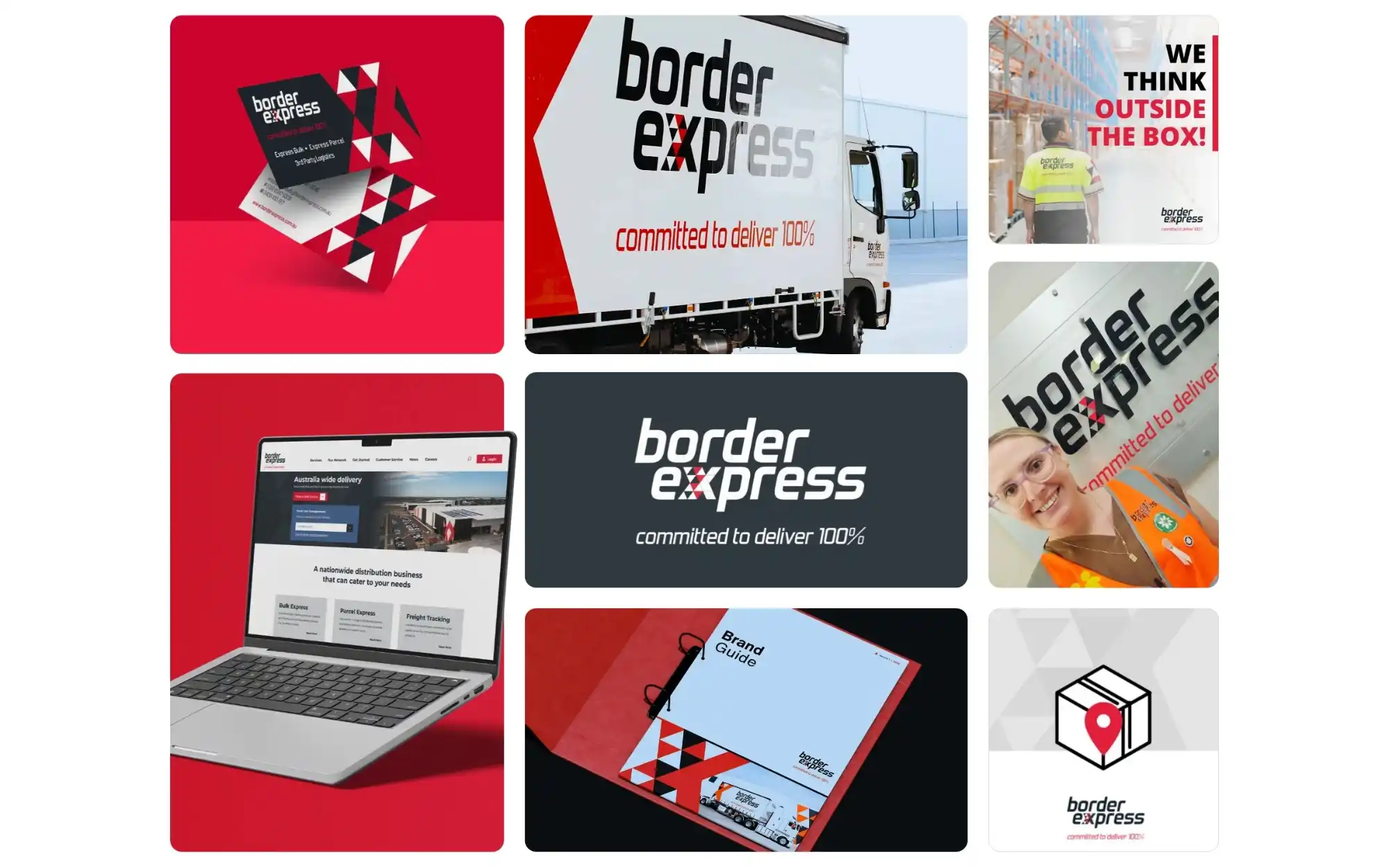
A transport company’s brand lives on the side of a truck. That is where most of the industry sees it, and that is why a rebrand in this sector is a bigger job than a new logo. Done well, it changes how shippers, drivers and the trade read your business before you say a word. Done badly, it is a fleet in two liveries for three years and a website that still shows the old one.
This is how we approach it at HAUL, and how to tell whether you need to.
The signs it is time
The brand describes a business you no longer run. The company started as a two truck local carrier and now runs port cartage, warehousing and interstate linehaul. The name, the logo and the strapline still say two trucks.
Nobody can tell your trucks from the next carrier’s. White cabs, a blue swoosh and a name in a font that came with the sign shop’s software. When your fleet is invisible at the stevedore gate, you are paying for a billboard and leaving it blank.
Your customers say “reliable” and your brand says nothing. When Denim surveyed shippers in 2025, 67% named service and reliability as the top factor in choosing a freight partner, against 10% for price. If that is what you are bought on, the brand’s job is to make reliability visible before the first load moves.
You have grown by acquisition and now run three names. Three liveries, three websites, three sets of sales documents. Buyers notice, and so do the drivers you are trying to recruit.
The website embarrasses the salespeople. When your own team sends a PDF instead of a link, the brand has already failed online.
What a rebrand actually covers
A logo on its own is a redesign, not a rebrand. The work we do with a transport company covers:
- Positioning. Who you serve, what you are best at, and the one line that says it. For a port cartage operator that line is different from a refrigerated carrier’s, and both are different from a freight forwarder’s.
- Identity. Logo, colours, type, and the rules for using them at the scale of a trailer and the scale of a LinkedIn avatar.
- Tone of voice. How the company sounds in a quote email, a job ad, a late delivery notice. Logistics buyers deal with people, and the voice is part of the brand.
- The brand guide. One document that lets a sign writer in Perth and a designer in Melbourne produce the same result.
What it covers is on our branding service page. What matters more is what happens after the files are delivered.
Rolling it out without losing anyone
A rebrand goes wrong in the rollout, not the design. The order we use:
1. Tell your customers first. A short note from the owner, before anything changes publicly, saying what is changing and what is not. Same drivers, same depots, same account manager. Shippers hate surprises more than they hate old logos.
2. Website and search on day one. The new site goes live with the new brand, and every old address redirects to its new home so you keep the search rankings you have earned. We cover how we build and move websites elsewhere; the point here is that the website is the one place every buyer checks, so it cannot lag the fleet.
3. Fleet in planned batches. Nobody rewraps 80 trailers in a week. Set an order (prime movers first, then the trailers that run the most visible routes), a finish date, and stick to it. A fleet half in each livery for years says the company did not finish what it started.
4. Uniforms, signage, documents. Hi-vis, depot signage, rate cards, invoices, email signatures, proposal templates. The small stuff is what the customer’s accounts team sees every month.
5. Socials and listings. LinkedIn company page, Google Business Profile, directories, industry association listings. One name, one logo, one description everywhere. This also matters for AI search, which is piecing together who you are from every mention of you online.
6. Content that shows the new brand in use. New fleet photography and video from your own depots, not stock. This is where content creation earns its keep: a rebrand nobody has seen in the wild is a rebrand that has not landed yet.
What it did for Arrow Transport
Arrow Transport is a port cartage and warehousing operator with depots in four states. When we started working together in 2023 the brand presence online did not match the size of the operation. Over the twelve months that followed, with a rebuilt website, consistent branding across every channel and a steady content program, revenue rose 53% and website traffic rose 472%. The brand was not the only reason. It was the reason the rest of the marketing had something to stand on.
Questions owners ask us
How long does a transport rebrand take? Positioning and identity, six to ten weeks. Fleet rollout depends on the fleet and the sign writer’s capacity. We plan the whole thing on one timeline so the website, the documents and the first trucks land together.
Do we have to change the name? Rarely. Most rebrands keep the name and fix everything around it. Change it only if the name actively misdescribes the business or is shared with someone else in the industry.
What about drivers and recruitment? A fleet drivers are proud to be seen in is a recruitment asset. We build the driver facing side of the brand (job ads, uniforms, the recruitment page) at the same time as the customer facing side.
Is a rebrand worth it for a small carrier? If you compete on reliability and nobody can tell you from the next operator, yes. The cost of looking like everyone else is paid on every quote.
If your brand is describing a business you have outgrown, apply to partner with HAUL and we will start with where you are positioned today.