
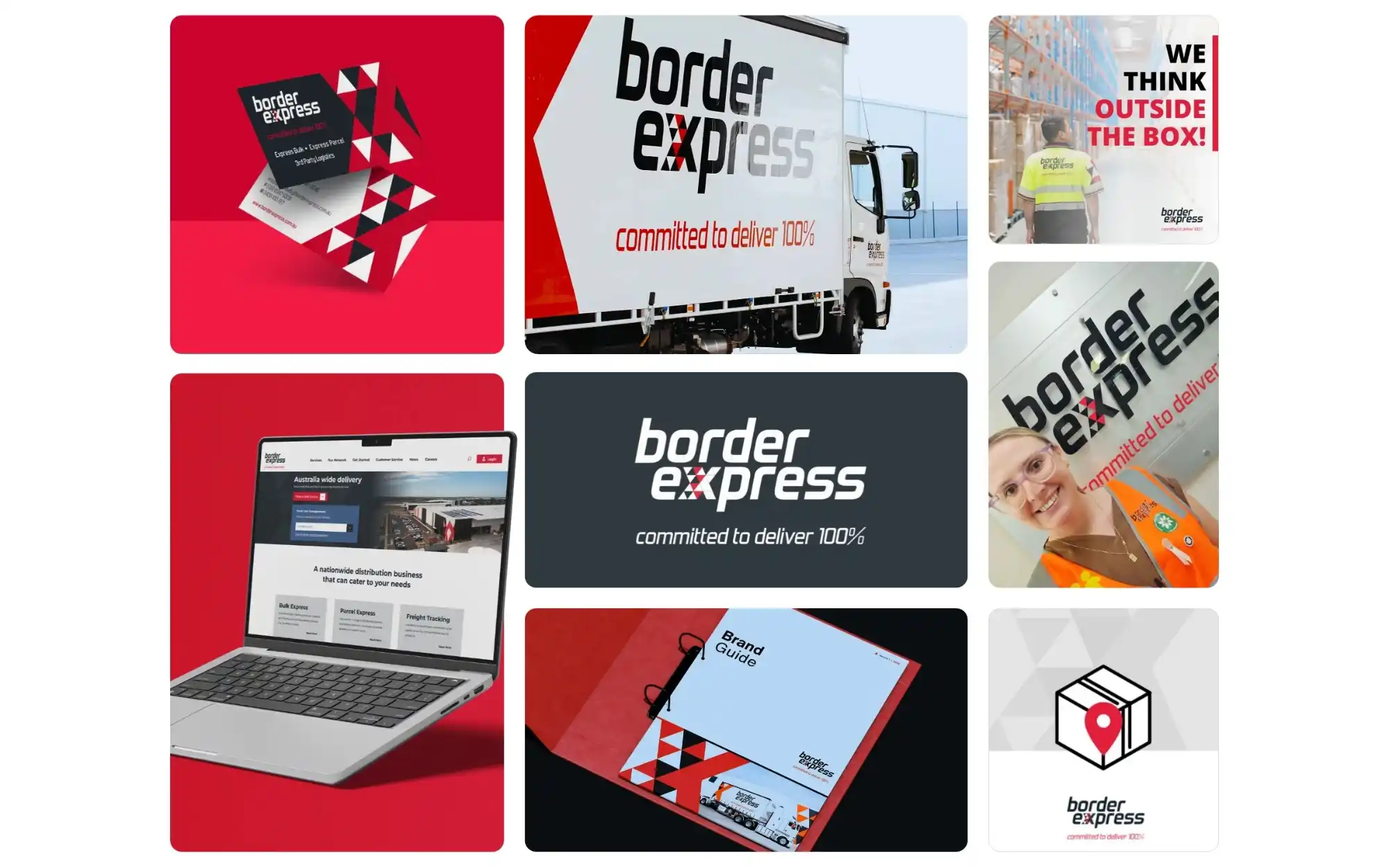
Your brand is the first thing a prospect judges and the last thing they remember. In transport, shipping and logistics most brands look the same, sound the same and lean on “reliable” and “on time”. Dentsu’s B2B Superpowers Index found 71% of B2B buyers say brands sound and act the same. In freight, with its blue logos and container photos, that number feels low.
The problems we get called in for
Nobody can tell the story. We interviewed fifty senior managers at one international forwarder and heard thirty different companies described. When every salesperson sells a different story, the buyer hears none of them. Stories are what people retell. Facts on their own get forgotten.
The business grew and the brand stayed behind. More depots, new services, new states, and a brand built for the two-truck version of the company. The buyers behind your next decade research you online first, and what they find was made for another era.
Inconsistency, everywhere. A logo launched by email, five rules attached, and a year later the inbox still shows four versions of it. Marq’s State of Brand Consistency research found brand managers expect consistent presentation to lift revenue by up to 33%. Inconsistency taxes you at every touchpoint, quietly.
Generic positioning. Brands rarely choose to be generic. They absorb the category’s habits until the identity is camouflage. Standing out in logistics means rejecting a few conventions on purpose, with a clear reason behind each one.
How we work
We run branding in three phases. Each one is rolled out in pieces for feedback, so nothing lands on you as a surprise at the end.
Discover. Listening before designing. A full audit of every logo, deck, signature and template in circulation, a competitor benchmark, and interviews that start with the owner and run through to drivers, allocators and a handful of customers. Most agencies build brands on what leadership thinks it wants. We build on what the business actually is. It closes with a findings report that says plainly where the gaps are.
Define. The research becomes a foundation: purpose, vision and mission; the messaging pillars every channel will share; the positioning that puts you in a sharp, specific place against the competitors you lose work to. This is where the thirty stories become one.
Design. Up to three visual directions built from that strategy, one chosen and refined, then the brand toolkit (logo use, colour, type, imagery, tone) and every production-ready file, social templates included.
Discover and Define take three to six weeks each. Design takes six to ten. A complete rebrand runs four to six months end to end, and the fleet rollout is planned on the same timeline.
Rolling it out
A rebrand goes wrong in the rollout, not the design. We plan the order: customers told first, website and search live on day one with every old address redirected, fleet rewrapped in planned batches, then uniforms, signage, sales documents, email signatures and every listing. We wrote the whole sequence up in Rebranding a transport company.
What it does for the business
Internal alignment comes first: the whole team telling the same story saves time and argument every week. Then perception catches up with ambition, which is when premium pricing stops being awkward and enterprise tenders start arriving. Arrow Transport rebranded with us in 2023 and grew revenue 53% in the following twelve months with the new brand under everything else we did. Border Express refreshed a brand that had not kept pace with a national operation and saw website traffic rise 455%.
Questions we get asked
How long does a logistics rebrand take?
Discover and Define run three to six weeks each and Design six to ten, so a full rebrand is four to six months. A refresh that keeps the existing mark is faster. Fleet rewrapping is planned on the same timeline and depends on the sign writer's capacity.
Do we need to change our name?
Rarely. Most rebrands keep the name and fix everything around it. We recommend a name change only when the name misdescribes the business or is shared with someone else in the industry.
Who do you interview during discovery?
The owner and leadership first, then a cross-section of the business: state managers, allocators, drivers, warehouse staff, and a handful of customers. The brand has to work for the people who carry it every day.
What do we receive at the end?
A brand strategy and findings report, positioning and messaging, the logo suite and identity system, tone of voice, a brand toolkit your team and suppliers can follow, and every production file including social media templates.
Can you handle the fleet livery and signage?
Yes. We design the livery, produce the artwork for your sign writer, and plan the rollout order so the most visible vehicles change first.
Do you brand shipping and freight forwarding companies?
Yes. Shipping lines, freight forwarders, customs brokers and NVOCCs sit alongside road freight in our work, and the brand problems are the same: a sea of blue logos and container photos, and a story nobody inside the business tells the same way. The fifty-manager interview above came from an international forwarder.