Blog · Pete Lynagh
How Logistics Buyers Find You in ChatGPT and Google AI Overviews

A logistics manager at a food manufacturer types “refrigerated transport Melbourne to Brisbane, who is reliable” into ChatGPT, or gets an AI Overview at the top of Google before the first blue link. The answer names three or four companies. If you are not one of them, you were never in the running.
This is now a normal way to shortlist a carrier, a forwarder or a customs broker. Here is how those answers are put together and what moves the needle for a transport business.
What the AI answer is built from
Both Google’s AI features and ChatGPT read web pages and stitch an answer together from them, with citations. The useful news is that Google has written down what it wants, and it is not a new trick.
Google’s own guidance on AI features says there are “no additional technical requirements” beyond being indexed and eligible for a snippet, that you “don’t need to create new machine readable files, AI text files, or markup”, and that there is “no special schema.org structured data that you need to add”. What it does ask for is the ordinary list: let the site be crawled, link your pages to each other, give people a fast page, keep the important content as text, and make sure any structured data matches what is visibly on the page.
The second useful fact is that you do not need to rank first to be cited. Ahrefs’ March 2026 study of four million AI Overview citations found only 37.9% of cited pages sat in the top ten organic results. Almost a third came from pages ranked beyond position 100. The AI is pulling the page that answers the question best, not the page that won the ranking contest.
The third is that fewer people click through at all. SparkToro’s 2024 clickstream study found 58.5% of US Google searches ended without a click. If the answer is being read in the AI box, the AI box is where your name needs to appear.
What this means for a transport or logistics company
Most logistics websites are written for nobody in particular. A home page that says “end-to-end solutions” and a services page that lists eight things in one paragraph give an AI nothing to quote and nothing to attribute. The companies that get named are the ones whose pages answer a specific question plainly, with the company’s name attached.
Five things that matter, in order of how often we fix them:
1. Be clear about who you are, everywhere. One company name, one description, one address, on your site, on LinkedIn, on Google Business Profile and in every directory. AI tools build a picture of a business from every mention of it. Three versions of your name make you three smaller businesses.
2. One page per service, with the question answered at the top. “Port cartage Melbourne” should be a page, not a bullet. The first paragraph says what you do, where, for whom, and what makes it reliable. One analysis of 18,000 ChatGPT citations found that close to half of what gets quoted sits in the first 30% of a page. Put the answer first and the detail after.
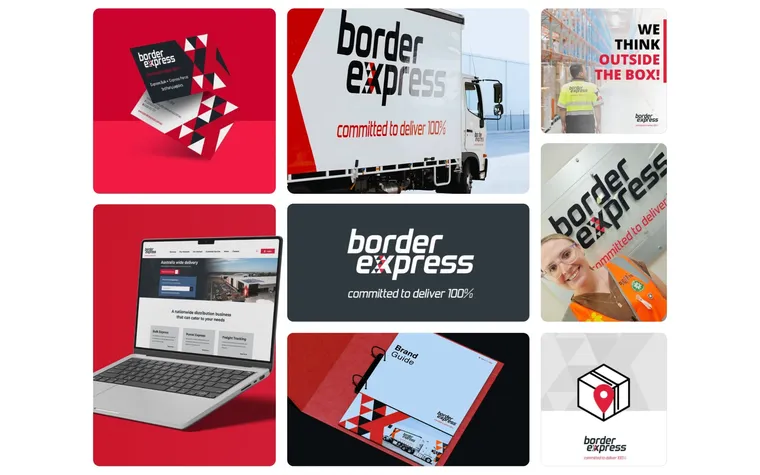
3. Proof with numbers. “Reliable” is a claim. Your actual on time rate for last financial year, with the number of movements behind it, is a fact an AI can repeat with your name on it. Case studies with real results do the same job. Ours for Arrow Transport and Border Express are written that way on purpose.
4. Answer the questions buyers actually ask. A short FAQ on each service page, in the buyer’s words. Do you handle quarantine? What is your cut off for next day? Do you work outside Victoria? Written as direct answers, not marketing.
5. Be mentioned by other people. Industry press, association directories, supplier pages, customer case studies, LinkedIn posts from your own people. Studies of what AI engines cite consistently show third party pages carrying a large share of the citations for “who should I use” questions. Your own site cannot be the only place you exist.
Schema and speed still count
Google says no special markup is needed, and that is true. It also says structured data should match the visible text, which tells you it is still reading it. We put Organization, Service, FAQ and Article schema on every site we build, and we make sure it says the same thing the page says. Combined with a site that loads in under a second, which is the point of the stack we now build on, you have removed every technical reason for an AI to pick a competitor’s page over yours.
How to check where you stand
Open ChatGPT, Gemini and Google and ask the questions your buyers ask: “best container transport company in Melbourne”, “customs broker for food imports Australia”, “refrigerated carrier Sydney to Brisbane”. Note who gets named and which pages are cited. Do it once a month. If your name is not there, the pages that answer those questions do not exist yet, or they are buried.
Questions owners ask us
Do we need an AI SEO specialist? No. You need clear pages, real proof, consistent listings and a fast site. That is the same work that earns ordinary search rankings, done properly.
Will AI answers kill our website traffic? Some of it, for informational questions. For “who should we use” questions, the AI sends the buyer to a shortlist, and the website is where they check the shortlist. It has to hold up.
Does blogging still matter? Yes, when the posts answer real questions. A post that explains BMSB treatment timing, or what a container detention charge is, gets cited. A post about “the future of logistics” does not.
How long before it shows? Weeks to a few months after the pages are indexed. Third party mentions take longer to build and last longer.
If buyers are asking AI tools about companies like yours and the answer never includes your name, apply to partner with HAUL and we will start by checking what the engines currently say about you.